Date: 2024/11/03 - 00:50
Standing more does not improve heart health compared with sitting and may increase a person's risk for circulatory issues such as deep vein thrombosis and varicose veins, a new study finds.
The risk of developing type 2 diabetes, stroke, and depression may be higher in people with a "sweet tooth" who prefer sugary foods, new research suggests.
Women undergoing chemotherapy for breast cancer, who also began an aerobic exercise program at the same time, reported significant improvements in both cognitive function and quality of life.
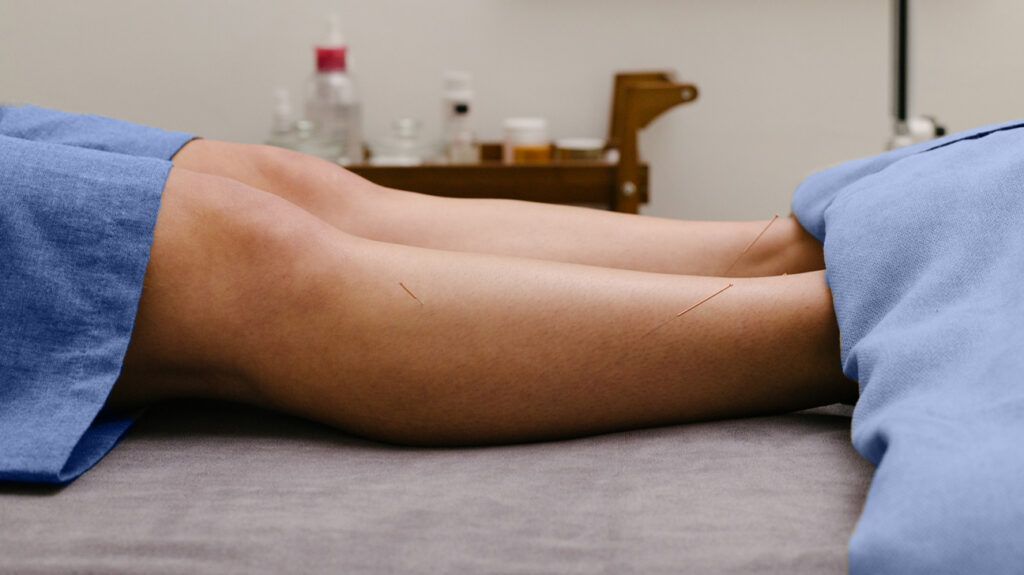
Recent evidence suggests that acupuncture can help relieve the pain caused by sciatica, a common condition in which the sciatic nerve becomes compressed.
Walking in short bursts or climbing stairs can burn 20% to 60% more energy than sustained activity for the same distance, according to a new study.
Adults with mild type 2 diabetes might improve their insulin sensitivity by following a low-carb diet, thus potentially eliminating the need for medication, a new study suggests.
Vigorous exercise can help with weight loss by lowering levels of the 'hunger hormone' ghrelin, particularly in women, a small new study has found.
Certain genes influence the volume of key brain regions, which, in turn, could play a role in the development of Parkinson's disease and ADHD, a new study suggests.
Vitamin D deficiency in early life may contribute to biological processes that raise the risk of autoimmune conditions, including type 1 diabetes, a study in mice has shown.
Even occasional rounds of 30-minute exercise could help lower the risk of type 2 diabetes, as well as help people with this condition better maintain blood sugar control, a new study suggests.