Top International News from Health and Medicine
Health news and Medical news from all over the internet updated in real time.
Trending News

Date: 2025/04/01 - 18:00
1 Hour of Screen Time at Bedtime Reduces Sleep by 24 Minutes, Study Finds
A new Norwegian study finds that one hour of screen time at bedtime results in a 59% higher risk of insomnia and 24 fewer minutes of sleep. The findings indicate that social media use is no more disruptive to sleep than watching TV or movies or reading on a mobile device.

Date: 2025/03/27 - 18:00
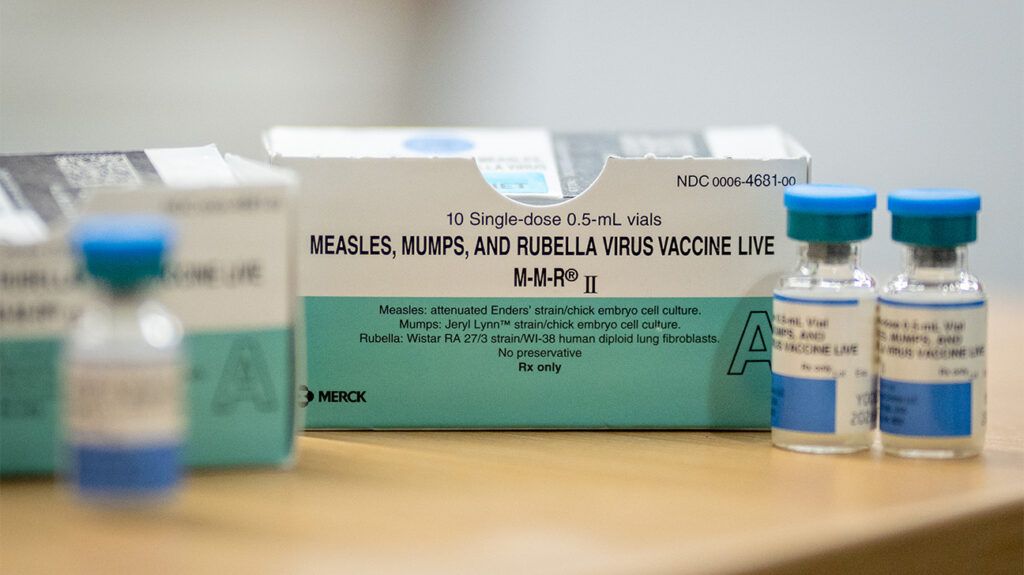
Expert Q&A: What are the long-term effects of measles in kids and adults?
Although measles is seen as a contagious viral disease that passes quickly, it can also cause damage that leaves long-term health effects. A measles infection can lead to a phenomenon called 'immune amnesia,' which affects the body's ability to fight off other infections.
Date: 2025/03/30 - 18:32
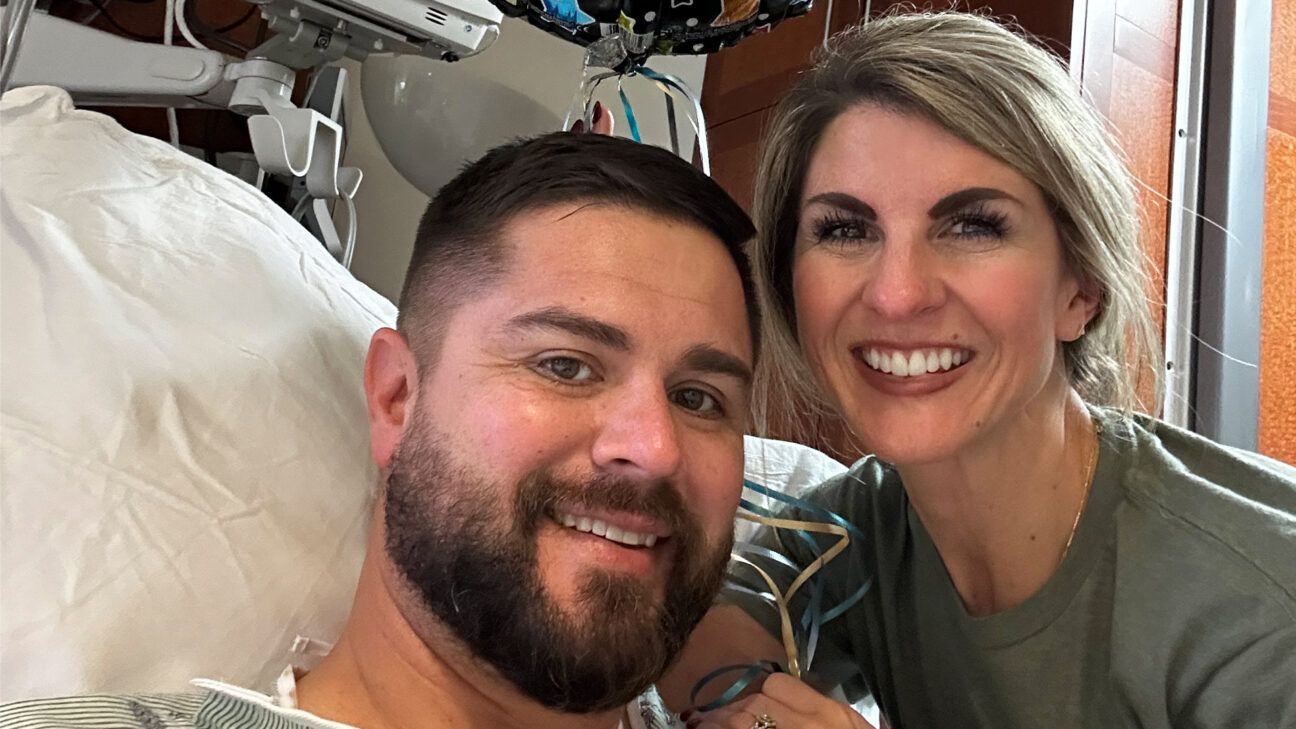
He Was Diagnosed With Colon Cancer at 38. Early Warning Signs He Missed
While CRC is on the rise in people under 50, receiving colonoscopies beginning at age 45 can help decrease your risk. Additionally, making lifestyle changes can also help reduce your risk for CRC.
Last Updates

Date: 2025/01/22 - 00:32
GLP-1 Drugs Benefit Brain and Heart Health, but May Cause Kidney, GI Issues
A large study published in Nature Medicine reviewed the effects of GLP-1 drugs like Ozempic and Mounjaro on 175 different health outcomes. The findings show benefits for brain and heart health, but risks of developing gastrointestinal, kidney, and pancreatic issues.

Date: 2025/01/20 - 18:00
'Forever Chemicals' in Tap Water Linked to Cancer. How to Lower Your Risk
PFAS, also known as "forever chemicals" are found in manufacturing and consumer products and contaminate nearly half of U.S. water supplies. A novel study has linked PFAS-contaminated water with increased incidence of cancer.

Date: 2025/01/18 - 21:32
How Much Alcohol Is Safe to Drink Without Putting Your Health at Risk?
A new federal report shows that one drink per day is associated with negative health effects like liver cirrhosis and cancer, while a recent report from the surgeon general highlighted cancer risks associated with moderate alcohol consumption.
Date: 2025/01/18 - 01:00
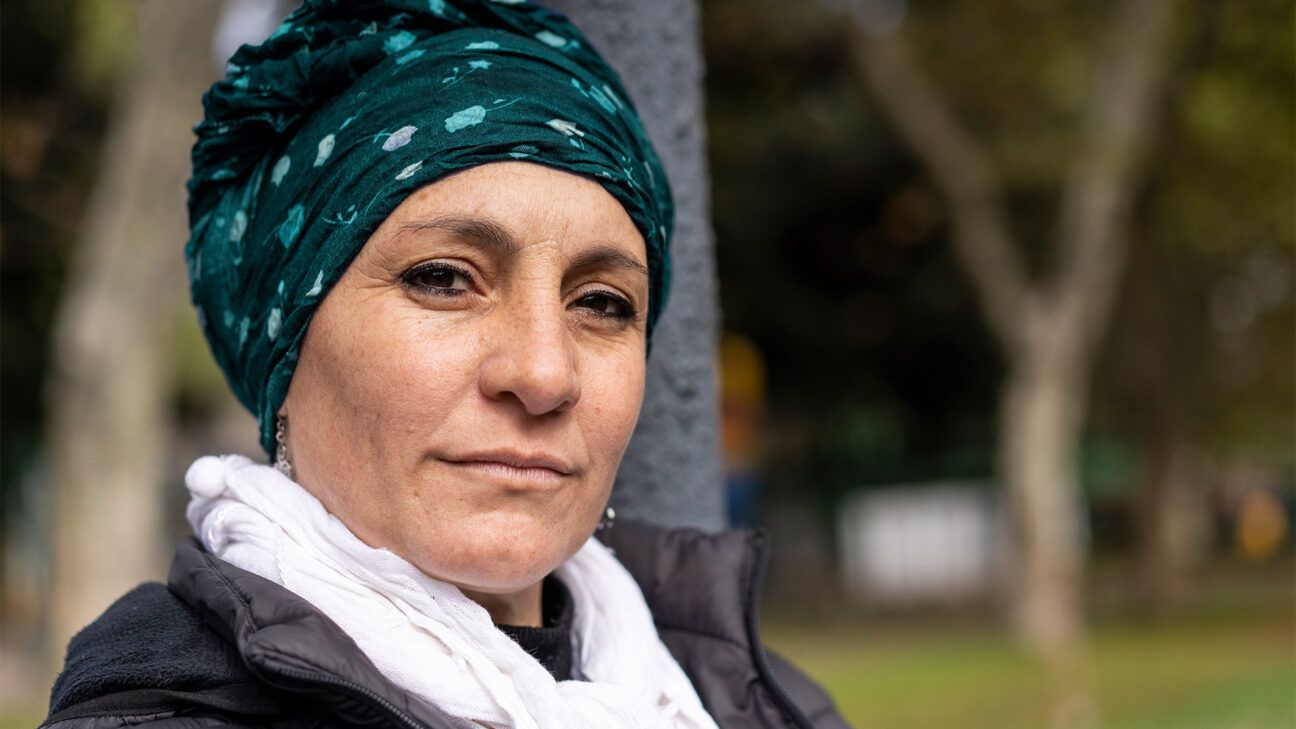
Cancer Cases Rising in Females, Declining in Males. How to Reduce Your Risk
A new report shows that cancer cases are increasing in females and young adults in the United States. For the first time, cancer rates in females ages 50 to 64 have surpassed those in males. Physical activity levels, high alcohol consumption, and poor diet could be driving the increase.



Date: 2025/01/17 - 02:35
Cancer Risk Prompts FDA Ban of Red Dye from Food and Ingested Drugs In US
The FDA issued a ban on the use of red dye No. 3 in food and beverage products and ingested drugs. The synthetic dye has been linked to cancer in animal studies and was banned more than 30 years ago in cosmetics and topical drugs.