Top International News from Health and Medicine
Health news and Medical news from all over the internet updated in real time.
Trending News

Date: 2025/04/01 - 18:00
1 Hour of Screen Time at Bedtime Reduces Sleep by 24 Minutes, Study Finds
A new Norwegian study finds that one hour of screen time at bedtime results in a 59% higher risk of insomnia and 24 fewer minutes of sleep. The findings indicate that social media use is no more disruptive to sleep than watching TV or movies or reading on a mobile device.

Date: 2025/03/27 - 18:00
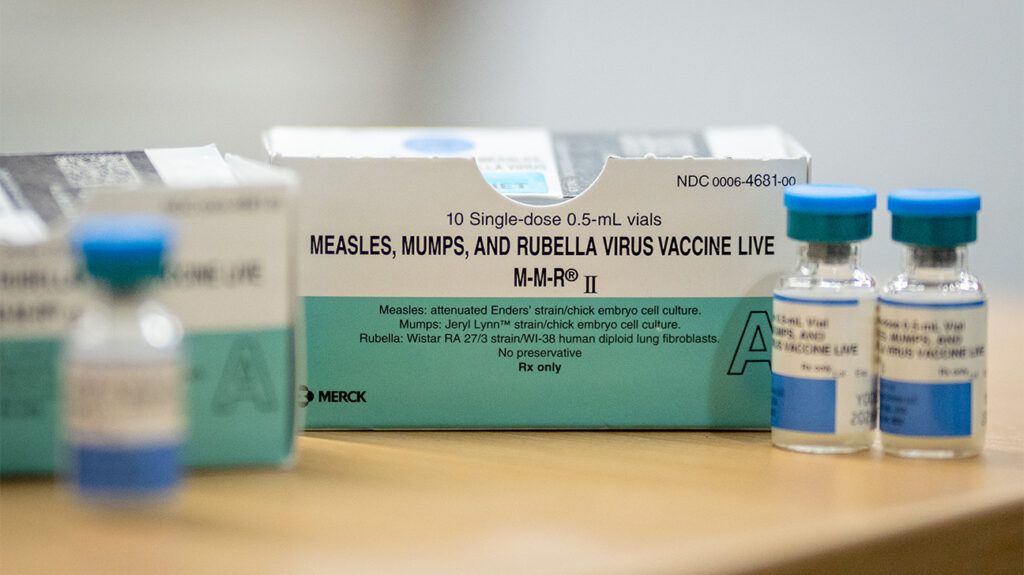
Expert Q&A: What are the long-term effects of measles in kids and adults?
Although measles is seen as a contagious viral disease that passes quickly, it can also cause damage that leaves long-term health effects. A measles infection can lead to a phenomenon called 'immune amnesia,' which affects the body's ability to fight off other infections.
Date: 2025/03/30 - 18:32
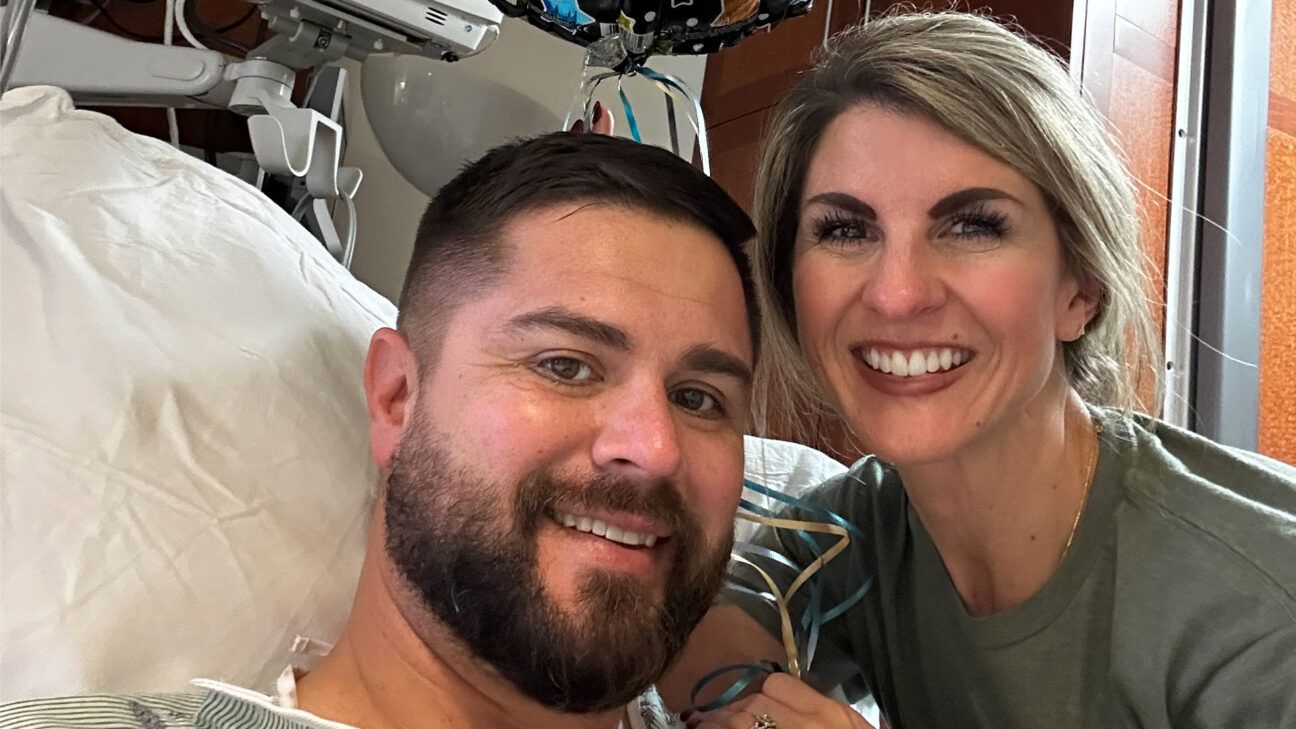
He Was Diagnosed With Colon Cancer at 38. Early Warning Signs He Missed
While CRC is on the rise in people under 50, receiving colonoscopies beginning at age 45 can help decrease your risk. Additionally, making lifestyle changes can also help reduce your risk for CRC.
Last Updates



Date: 2025/03/13 - 01:32
TikTok's 'Cozymaxxing' Trend Could Improve Your Mental Health, Experts Say
If changing into your pajamas, lighting a candle, and wrapping yourself in a blanket sounds like your idea of self-care, then you’ll love TikTok’s latest wellness trend: Cozymaxxing. This snuggly practice is being hailed as an antidote to stress.


Date: 2025/03/12 - 01:00
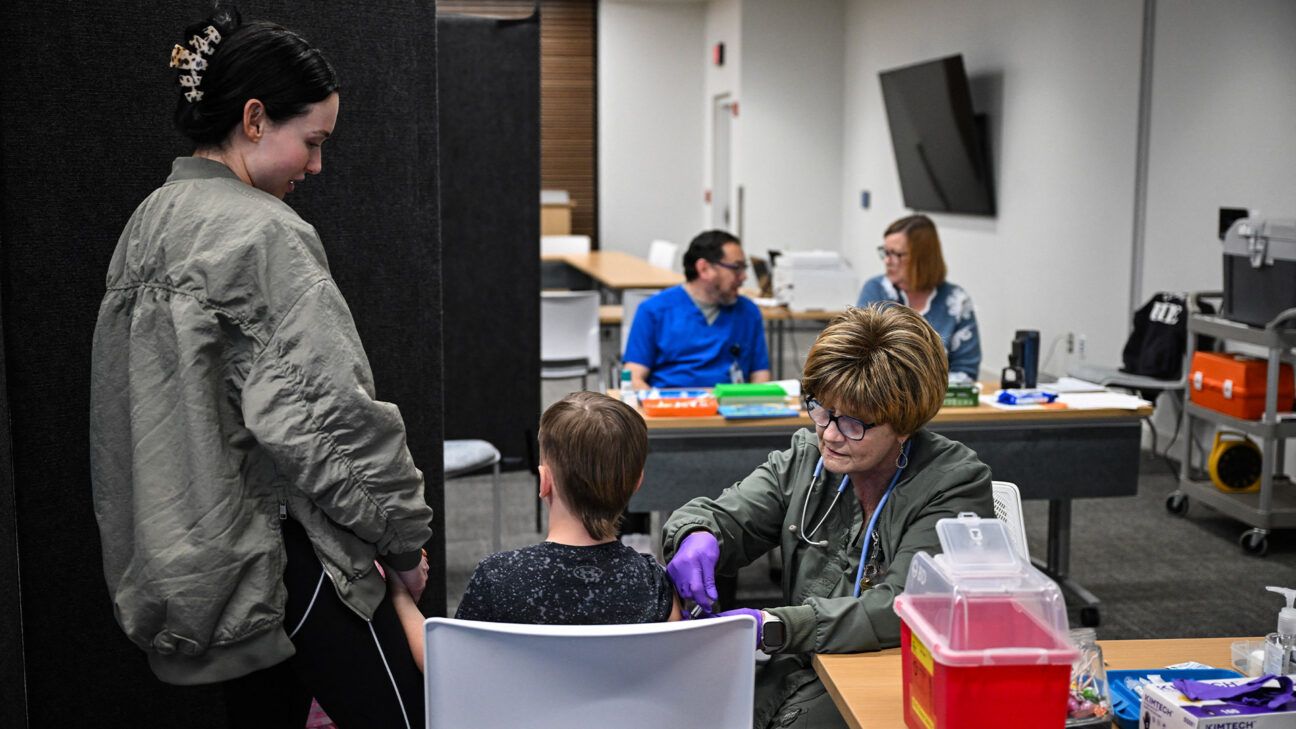
RFK Jr.’s Strategies for Containing Measles Outbreak Include Vitamin A, Cod Liver Oil
HHS Secretary Robert F. Kennedy Jr. recommends alternative treatment and prevention methods for measles amid growing outbreaks in 11 states and New York City. Kennedy has linked poor diet and health to measles and touts vitamin A and cod liver oil as treatments.

Date: 2025/03/11 - 22:32
CDC Will Study Whether Vaccines Cause Autism, Despite Scientific Consensus
Health and Human Services (HHS) officials led by Robert F. Kennedy Jr., recently confirmed that the Centers for Disease Control and Prevention (CDC) will investigate whether vaccines cause autism. The announcement reignited a longstanding debate over a theory lacking substantial scientific evidence.

Date: 2025/03/11 - 01:32
Treating Males for Bacterial Vaginosis May Reduce Recurrence in Females
Bacterial vaginosis (BV) is not classified as a sexually transmitted infection, but the results of a new study could change that. Evidence shows that BV occurs in men, and Australian researchers say that treating both partners could help lower high BV recurrence rates in women.

Date: 2025/03/09 - 22:00
Adding 2,500 Daily Steps May Improve Heart Health In Female Cancer Survivors
Moderate daily exercise significantly reduced the risk of death from cardiovascular disease among female cancer survivors, a new study found. Each additional 2,500 steps per day was associated with a 34% further reduction in death risk.