Date: 2024/11/03 - 00:50
A recent paper reports that the use of the drug tenecteplase, not yet approved for stroke treatment in the U.S., may lead to slightly better outcomes after a stroke than the commonly used alteplase.

Standing more does not improve heart health compared with sitting and may increase a person's risk for circulatory issues such as deep vein thrombosis and varicose veins, a new study finds.
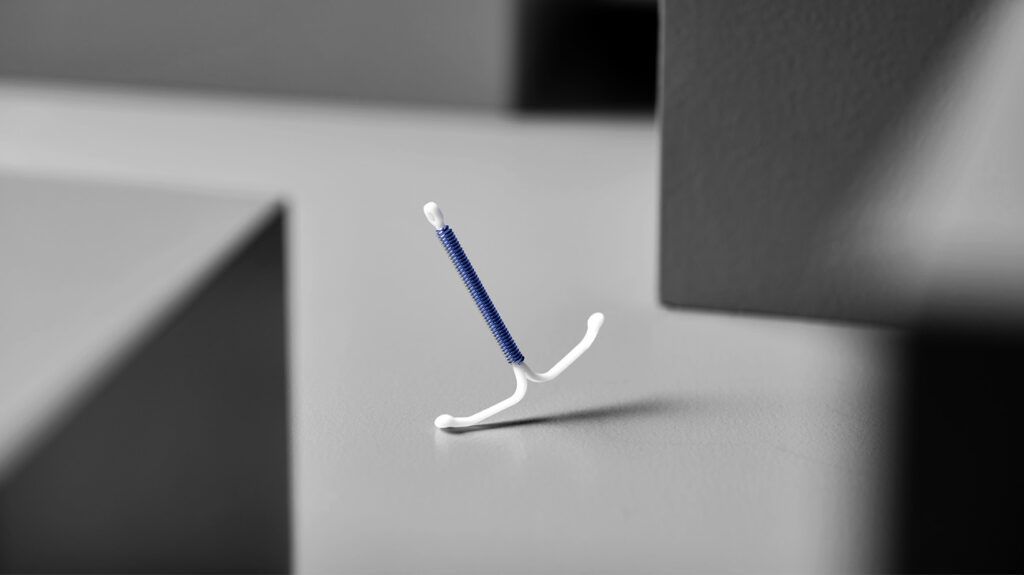
A recent study has, for the first time, looked at how hormonal intrauterine device (IUD) use can affect a person's risk of breast cancer.
The risk of developing type 2 diabetes, stroke, and depression may be higher in people with a "sweet tooth" who prefer sugary foods, new research suggests.
A six-week treatment of chemotherapy before chemoradiotherapy could improve survival rates in people with cervical cancer, results of a phase 3 clinical trial suggest.
Walking in short bursts or climbing stairs can burn 20% to 60% more energy than sustained activity for the same distance, according to a new study.
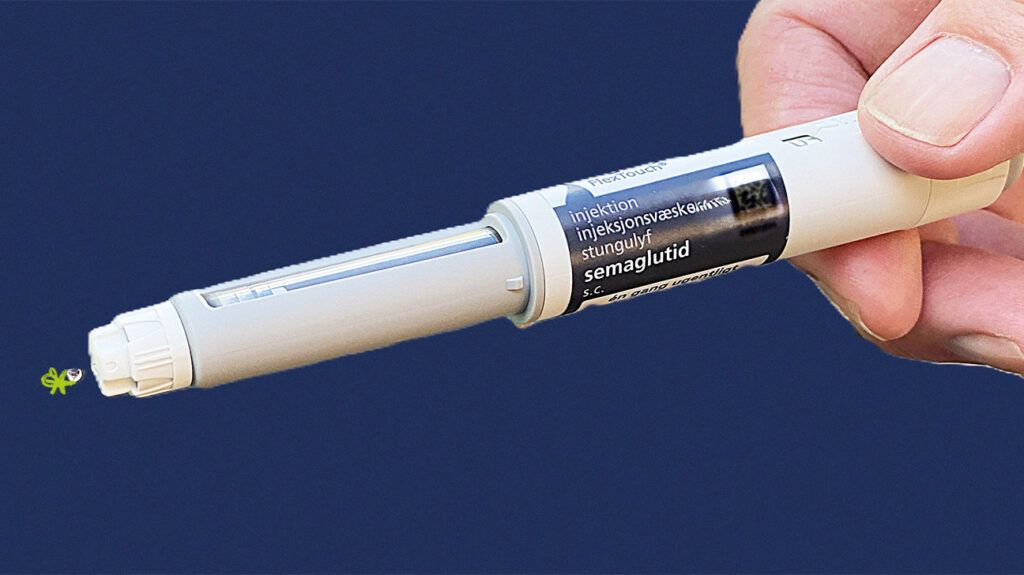
People with type 2 diabetes who use semaglutide drugs like Ozempic and Wegovy appear to have a lower risk of Alzheimer's disease, new evidence shows.
Adults with mild type 2 diabetes might improve their insulin sensitivity by following a low-carb diet, thus potentially eliminating the need for medication, a new study suggests.
Sleep quality issues in early middle-age are associated with accelerated brain aging and cognitive problems later in life, according to new research.
Vigorous exercise can help with weight loss by lowering levels of the 'hunger hormone' ghrelin, particularly in women, a small new study has found.