Date: 2024/11/03 - 00:50
Recent evidence suggests that acupuncture can help relieve the pain caused by sciatica, a common condition in which the sciatic nerve becomes compressed.
Walking in short bursts or climbing stairs can burn 20% to 60% more energy than sustained activity for the same distance, according to a new study.
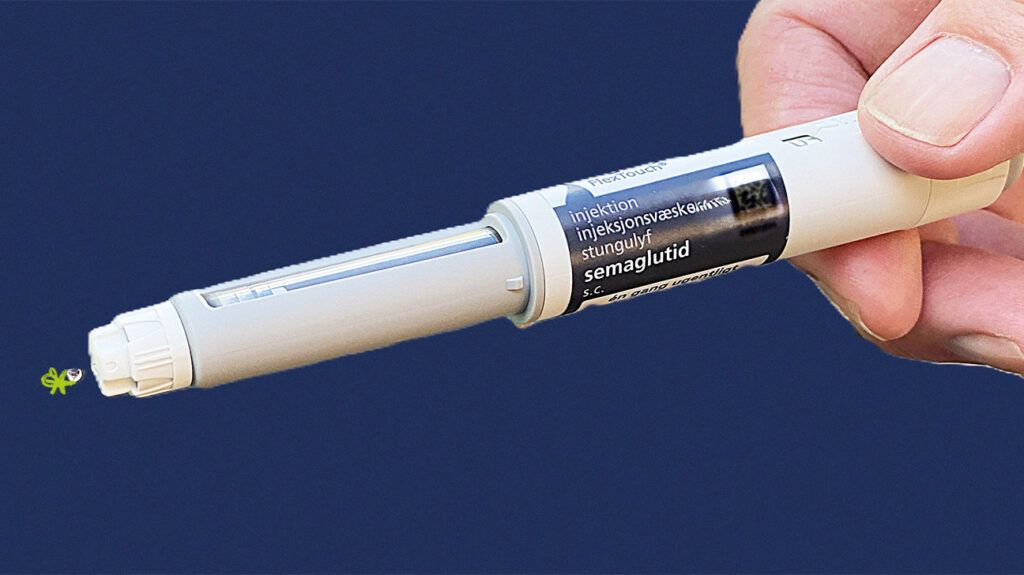
People with type 2 diabetes who use semaglutide drugs like Ozempic and Wegovy appear to have a lower risk of Alzheimer's disease, new evidence shows.
Certain genes influence the volume of key brain regions, which, in turn, could play a role in the development of Parkinson's disease and ADHD, a new study suggests.
Vitamin D deficiency in early life may contribute to biological processes that raise the risk of autoimmune conditions, including type 1 diabetes, a study in mice has shown.
Even occasional rounds of 30-minute exercise could help lower the risk of type 2 diabetes, as well as help people with this condition better maintain blood sugar control, a new study suggests.
One in four U.S. adults suspects they may have ADHD and drugs are a first line of treatment for this condition. But what does research say about their impact on the brain and quality of life?
A person’s ability to balance on one leg may be a reliable indicator of neuromuscular aging, a new study has found.
Two blood tests currently in development have shown 'very high accuracy' in detecting tell-tale signs of Alzheimer's disease, according to the developers.
People who maintain or start physical activity of any intensity after receiving a dementia diagnosis may be at a decreased risk for all-cause mortality, a new study suggests.