Date: 2024/11/03 - 00:50
Scientists have identified a combination of 14 'skinny' genes that may improve weight loss. But could they be enough to replace diet and other lifestyle factors?
A recent study suggests that a drug approved for the treatment of seizures may also help treat Alzheimer's in people who do not carrry the genetic mutation that predisposes them to dementia.
A new study explores the role of dysfunctioning mitochondria and a disrupted gut microbiome as a possible trigger of Crohn's disease.
Standing more does not improve heart health compared with sitting and may increase a person's risk for circulatory issues such as deep vein thrombosis and varicose veins, a new study finds.
A new study distinguishes between two distinct phases of Alzheimer's disease: an early, 'stealth' one without symptoms, and a second phase that aggressively damages the brain.
A recent study has, for the first time, looked at how hormonal intrauterine device (IUD) use can affect a person's risk of breast cancer.
The risk of developing type 2 diabetes, stroke, and depression may be higher in people with a "sweet tooth" who prefer sugary foods, new research suggests.
Women undergoing chemotherapy for breast cancer, who also began an aerobic exercise program at the same time, reported significant improvements in both cognitive function and quality of life.

Recent evidence suggests that acupuncture can help relieve the pain caused by sciatica, a common condition in which the sciatic nerve becomes compressed.
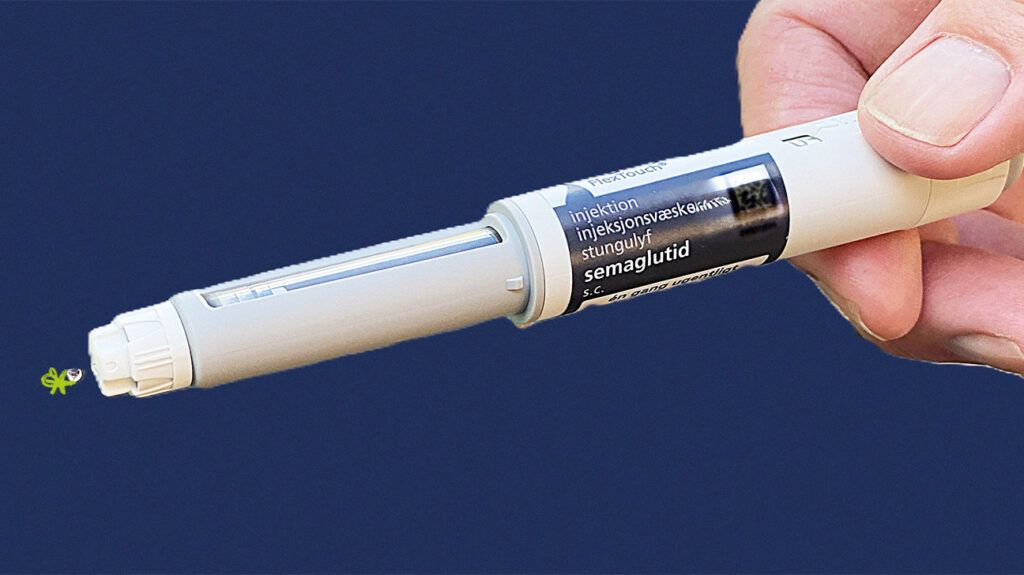
People with type 2 diabetes who use semaglutide drugs like Ozempic and Wegovy appear to have a lower risk of Alzheimer's disease, new evidence shows.