Date: 2024/11/03 - 00:50
A recent study has, for the first time, looked at how hormonal intrauterine device (IUD) use can affect a person's risk of breast cancer.
The risk of developing type 2 diabetes, stroke, and depression may be higher in people with a "sweet tooth" who prefer sugary foods, new research suggests.
Recent evidence suggests that acupuncture can help relieve the pain caused by sciatica, a common condition in which the sciatic nerve becomes compressed.
Walking in short bursts or climbing stairs can burn 20% to 60% more energy than sustained activity for the same distance, according to a new study.
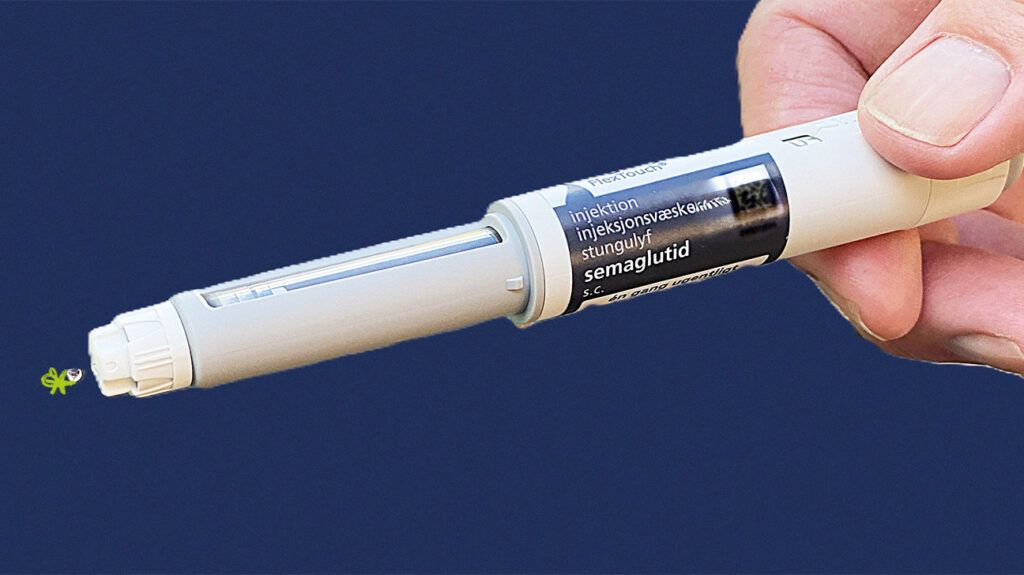
People with type 2 diabetes who use semaglutide drugs like Ozempic and Wegovy appear to have a lower risk of Alzheimer's disease, new evidence shows.
Vigorous exercise can help with weight loss by lowering levels of the 'hunger hormone' ghrelin, particularly in women, a small new study has found.
Certain genes influence the volume of key brain regions, which, in turn, could play a role in the development of Parkinson's disease and ADHD, a new study suggests.
A precursor of vitamin K may help slow down prostate cancer progression, a recent study conducted in mouse models of suggests.
Vitamin D deficiency in early life may contribute to biological processes that raise the risk of autoimmune conditions, including type 1 diabetes, a study in mice has shown.
One in four U.S. adults suspects they may have ADHD and drugs are a first line of treatment for this condition. But what does research say about their impact on the brain and quality of life?