Date: 2025/05/07 - 00:31
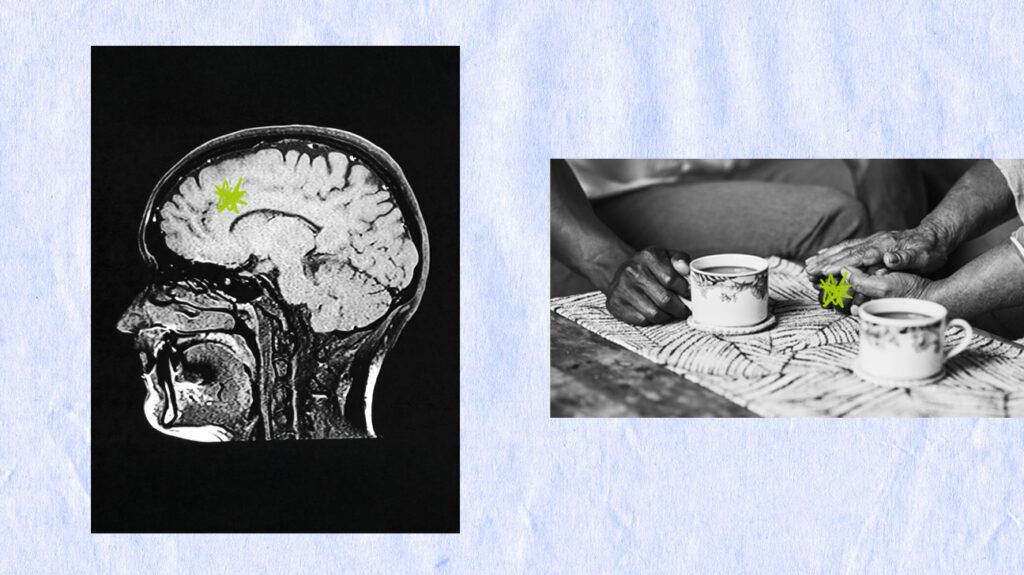
Medical News Today looks at four recent studies to examine which aspects of health and behavior can influence a person's risk of developing dementia, including sleep, vaccines, and cholesterol levels
Probiotics may help improve a person's daily mood and, if taken regularly for about 2 weeks, could help reduce negative feelings, more broadly.
Yoga is as effective in reducing knee pain in osteoarthritis as muscle-strengthening exercises, according to a new clinical trial.
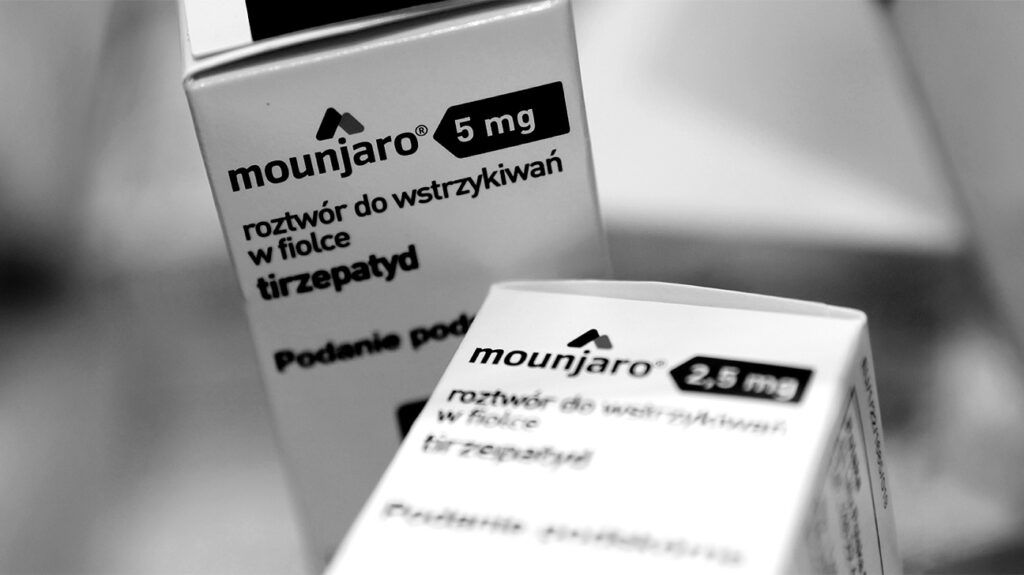
A once-weekly dose of tirzepatide (Mounjaro) can lead to significant, sustained weight loss for up to 3 years in adults with overweight or obesity who do not have diabetes.
Mice fed a low vitamin K diet had lower vitamin K levels in the brain and had poorer cognitive function compared to mice eating a regular diet, in a new study that hints at a link between vitamin K and dementia.

Digitally engaging with technology correlated to a 58% lower risk of cognitive impairment, contrary to fears of “digital dementia,” a new meta-analysis has found.
Increasing the ratio of potassium to sodium in the diet may be more effective for lowering blood pressure than simply reducing salt intake alone, a new study suggests.
Treatment to reduce high blood pressure — including medications and healthy lifestyle changes — could helps lower dementia risk.
People aged over 45 who needed acute hospital care due to heavy cannabis use had a 72% greater risk of developing dementia within 5 years than the general population.
Vitamin D supplements may help decrease the risk of colorectal cancer and improve survival for people with colorectal cancer, a literature review of 50 studies has found.