Date: 2024/11/03 - 00:50
Can drinking coffee yield cardiovascular benefits? Can too much caffeine increase stroke risk? Three recent studies examine the latest evidence.
A recent paper reports that the use of the drug tenecteplase, not yet approved for stroke treatment in the U.S., may lead to slightly better outcomes after a stroke than the commonly used alteplase.

A recent study has, for the first time, looked at how hormonal intrauterine device (IUD) use can affect a person's risk of breast cancer.
Walking in short bursts or climbing stairs can burn 20% to 60% more energy than sustained activity for the same distance, according to a new study.
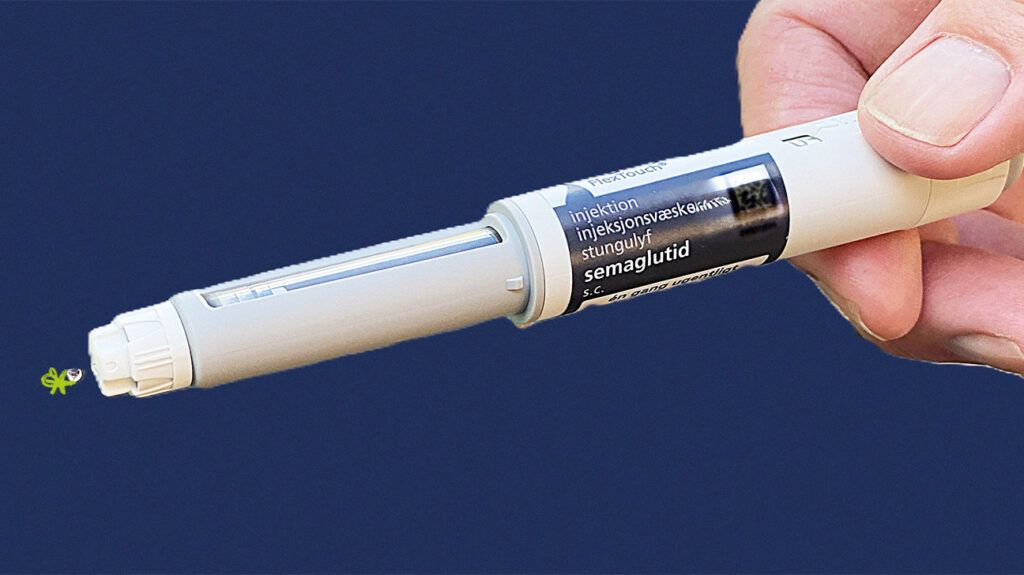
People with type 2 diabetes who use semaglutide drugs like Ozempic and Wegovy appear to have a lower risk of Alzheimer's disease, new evidence shows.
Sleep quality issues in early middle-age are associated with accelerated brain aging and cognitive problems later in life, according to new research.
Vigorous exercise can help with weight loss by lowering levels of the 'hunger hormone' ghrelin, particularly in women, a small new study has found.
Vitamin D deficiency in early life may contribute to biological processes that raise the risk of autoimmune conditions, including type 1 diabetes, a study in mice has shown.
One in four U.S. adults suspects they may have ADHD and drugs are a first line of treatment for this condition. But what does research say about their impact on the brain and quality of life?
Two blood tests currently in development have shown 'very high accuracy' in detecting tell-tale signs of Alzheimer's disease, according to the developers.