Date: 2025/05/07 - 17:00
A new study showed that as little as 5 minutes of moderate-to-vigorous physical activity can potentially help keep the brain healthy as we age by improving processing speed, working memory, and executive function.

Date: 2025/05/07 - 00:31
Probiotics may help improve a person's daily mood and, if taken regularly for about 2 weeks, could help reduce negative feelings, more broadly.
Yoga is as effective in reducing knee pain in osteoarthritis as muscle-strengthening exercises, according to a new clinical trial.
Brisk walking just five minutes a day could help lower the risk of heart rhythm abnormalities, such as atrial fibrillation or tachycardia, new research suggests.
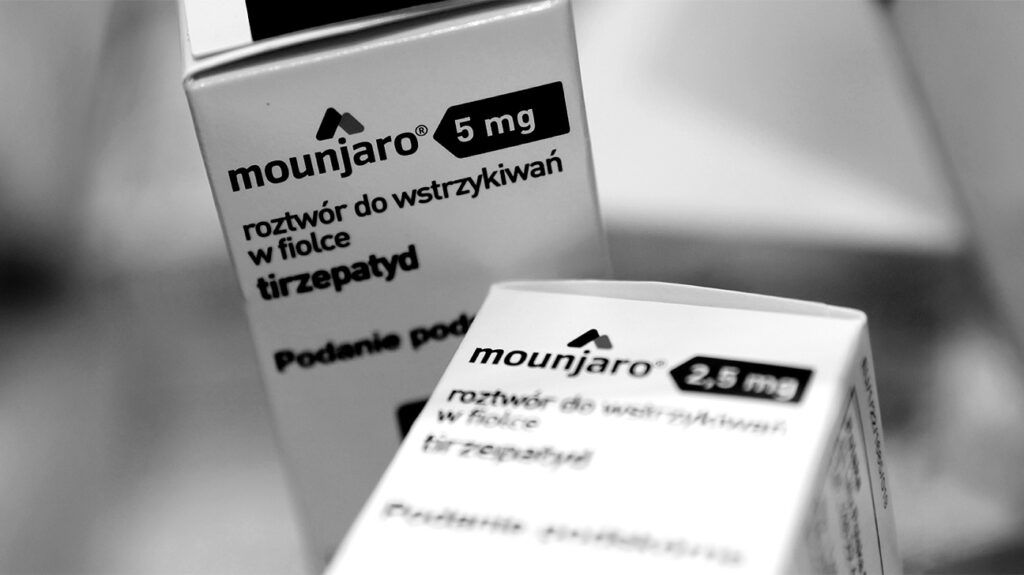
A once-weekly dose of tirzepatide (Mounjaro) can lead to significant, sustained weight loss for up to 3 years in adults with overweight or obesity who do not have diabetes.
Increasing the ratio of potassium to sodium in the diet may be more effective for lowering blood pressure than simply reducing salt intake alone, a new study suggests.
Scientists have pinpointed the exact age when the body starts feeling the negative health effects of smoking, heavy drinking, and a lack of exercise.
Treatment to reduce high blood pressure — including medications and healthy lifestyle changes — could helps lower dementia risk.
Two new studies on dementia have found that both low and moderate-high intensity exercise can help slow cognitive decline and memory loss in people at risk of Alzheimer's.
For the first time, researchers have identified a list of 56 modifiable factors linked to the risk of sudden cardiac arrest.