Date: 2024/11/03 - 00:50
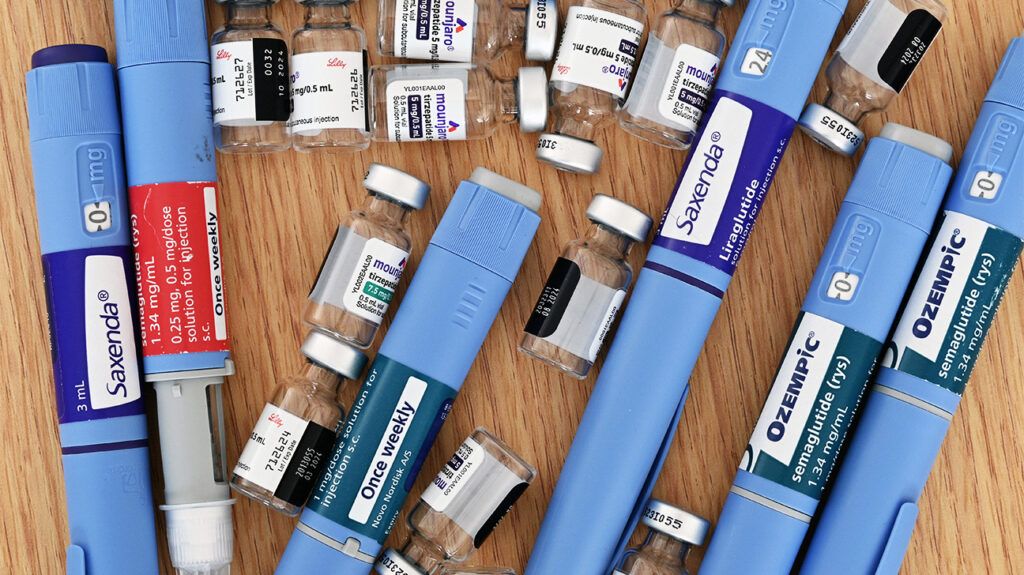
A new meta-analysis confirms that semaglutide drugs like Ozempic are not only effective for weight loss, but can also protect the heart. However, certain doses and delivery systems can lead to side effects affecting the gut.

Standing more does not improve heart health compared with sitting and may increase a person's risk for circulatory issues such as deep vein thrombosis and varicose veins, a new study finds.
A new study distinguishes between two distinct phases of Alzheimer's disease: an early, 'stealth' one without symptoms, and a second phase that aggressively damages the brain.
The risk of developing type 2 diabetes, stroke, and depression may be higher in people with a "sweet tooth" who prefer sugary foods, new research suggests.
A six-week treatment of chemotherapy before chemoradiotherapy could improve survival rates in people with cervical cancer, results of a phase 3 clinical trial suggest.
Vigorous exercise can help with weight loss by lowering levels of the 'hunger hormone' ghrelin, particularly in women, a small new study has found.
One in four U.S. adults suspects they may have ADHD and drugs are a first line of treatment for this condition. But what does research say about their impact on the brain and quality of life?
Klebsiella pneumoniae, a bacterium found in the gut, may reach the brain and affect Alzheimer's disease progression, research in mice suggests.
Following a Mediterranean diet could help lower a person's risk of developing several cardiovascular and metabolic conditions at the same time, new evidence suggests.
Two blood tests currently in development have shown 'very high accuracy' in detecting tell-tale signs of Alzheimer's disease, according to the developers.