Date: 2024/11/03 - 00:50
Walking in short bursts or climbing stairs can burn 20% to 60% more energy than sustained activity for the same distance, according to a new study.
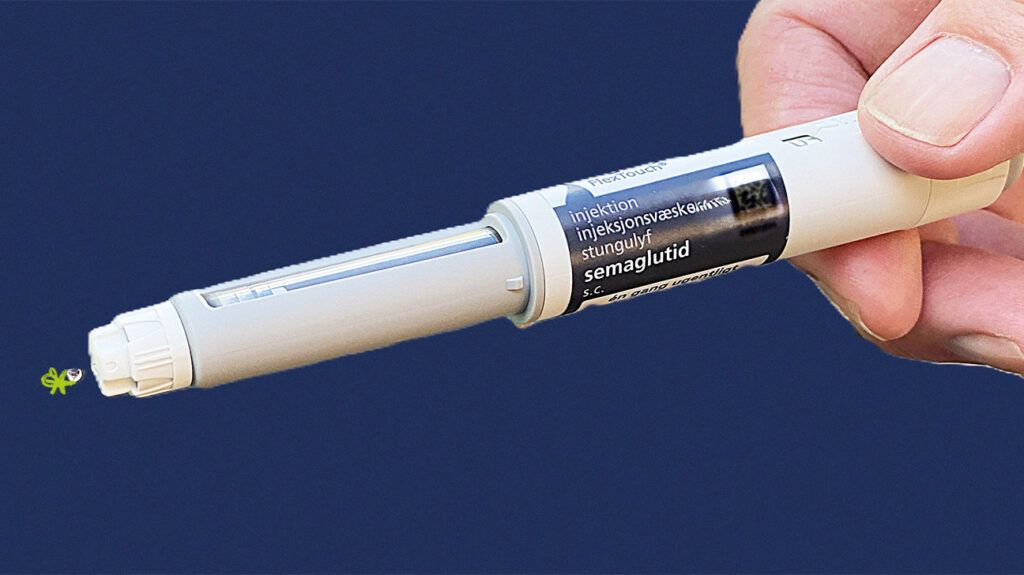
People with type 2 diabetes who use semaglutide drugs like Ozempic and Wegovy appear to have a lower risk of Alzheimer's disease, new evidence shows.
Adults with mild type 2 diabetes might improve their insulin sensitivity by following a low-carb diet, thus potentially eliminating the need for medication, a new study suggests.
Vigorous exercise can help with weight loss by lowering levels of the 'hunger hormone' ghrelin, particularly in women, a small new study has found.
A precursor of vitamin K may help slow down prostate cancer progression, a recent study conducted in mouse models of suggests.
Vitamin D deficiency in early life may contribute to biological processes that raise the risk of autoimmune conditions, including type 1 diabetes, a study in mice has shown.
Klebsiella pneumoniae, a bacterium found in the gut, may reach the brain and affect Alzheimer's disease progression, research in mice suggests.
Following a Mediterranean diet could help lower a person's risk of developing several cardiovascular and metabolic conditions at the same time, new evidence suggests.
Two blood tests currently in development have shown 'very high accuracy' in detecting tell-tale signs of Alzheimer's disease, according to the developers.
People who maintain or start physical activity of any intensity after receiving a dementia diagnosis may be at a decreased risk for all-cause mortality, a new study suggests.